
Game-Dev
For teams building a game from the ground up, Actuator provides senior support across design, development, production, and launch—so you can ship with confidence.
When a game concept needs to become a shippable experience
A successful game is more than a collection of features. Design, gameplay, visuals, audio, technology, production, and platform requirements all need to converge into an experience players want to play and a team can actually ship.
A promising idea
The concept has potential, but it needs to become a clear player experience with mechanics, scope, and a path to validation.
Complex production
Content, systems, performance, platforms, and milestones create dependencies that are difficult to coordinate without experienced direction.
A real release ahead
The team needs a playable, stable, tested game—not just an ambitious plan or an impressive prototype.
A clear route from concept to launch
Each stage creates evidence for the next one, so scope and priorities become clearer as the game takes shape.
1. Find the game
Shape the concept, player promise, core mechanics, scope, and first proof of what makes the experience worth pursuing.
2. Build and validate
Develop gameplay, systems, content, and presentation through prototypes, playable milestones, and focused iteration.
3. Prepare to ship
Harden performance, quality, platforms, release operations, and the production plan for launch and ongoing support.
What you get
A game that becomes more playable, coherent, and ready for the demands of release at every stage.
Playable game experience
- Shape the concept, player promise, and core mechanics around the experience you want to create.
- Develop controls, AI, balance, and level or world design into a coherent whole.
- Use playable milestones and focused iteration to learn what works for players.
Integrated production systems
- Build the engine, networking, saves, analytics, platform support, visuals, and audio the game needs.
- Connect the pipelines and systems that let the team create and ship content effectively.
- Make technical choices that support the game as its scope and complexity grow.
Launch-ready path
- Plan milestones around the work needed to reach a playable, shippable game.
- Address quality assurance, performance optimisation, and release operations before launch pressure peaks.
- Prepare the next stage of support as the game moves into players' hands.
Cross-discipline thinking
- Connect technical execution to the player experience at every stage.
- See the consequences of gameplay, content, architecture, performance, and platform decisions together.
- Keep decisions aligned before they become expensive surprises.
Built for delivery
- Keep the team focused on playable milestones and useful progress.
- Balance quality, scope, and production realities as the game grows.
- Do the practical work required to get the game into players' hands.
Playable game experience
- Shape the concept, player promise, and core mechanics around the experience you want to create.
- Develop controls, AI, balance, and level or world design into a coherent whole.
- Use playable milestones and focused iteration to learn what works for players.
Integrated production systems

- Build the engine, networking, saves, analytics, platform support, visuals, and audio the game needs.
- Connect the pipelines and systems that let the team create and ship content effectively.
- Make technical choices that support the game as its scope and complexity grow.
Launch-ready path

- Plan milestones around the work needed to reach a playable, shippable game.
- Address quality assurance, performance optimisation, and release operations before launch pressure peaks.
- Prepare the next stage of support as the game moves into players' hands.
Cross-discipline thinking

- Connect technical execution to the player experience at every stage.
- See the consequences of gameplay, content, architecture, performance, and platform decisions together.
- Keep decisions aligned before they become expensive surprises.
Built for delivery

- Keep the team focused on playable milestones and useful progress.
- Balance quality, scope, and production realities as the game grows.
- Do the practical work required to get the game into players' hands.
What success looks like
The team knows what game it is making, why it works for players, and what remains to reach a confident release.
A coherent player experience
Mechanics, content, presentation, and systems reinforce the game’s core promise instead of pulling in different directions.
A stable technical foundation
Performance, platform requirements, quality, and production risks are managed as the game grows.
Confidence to ship
Milestones create visible progress and a credible route from the current build to launch and ongoing support.
Proof in practice
Explore games and interactive experiences Actuator has helped bring from concept, prototype, or production challenge into playable work. The projects below span original games, simulations, installations, and multiplayer experiences.
 Game-Dev
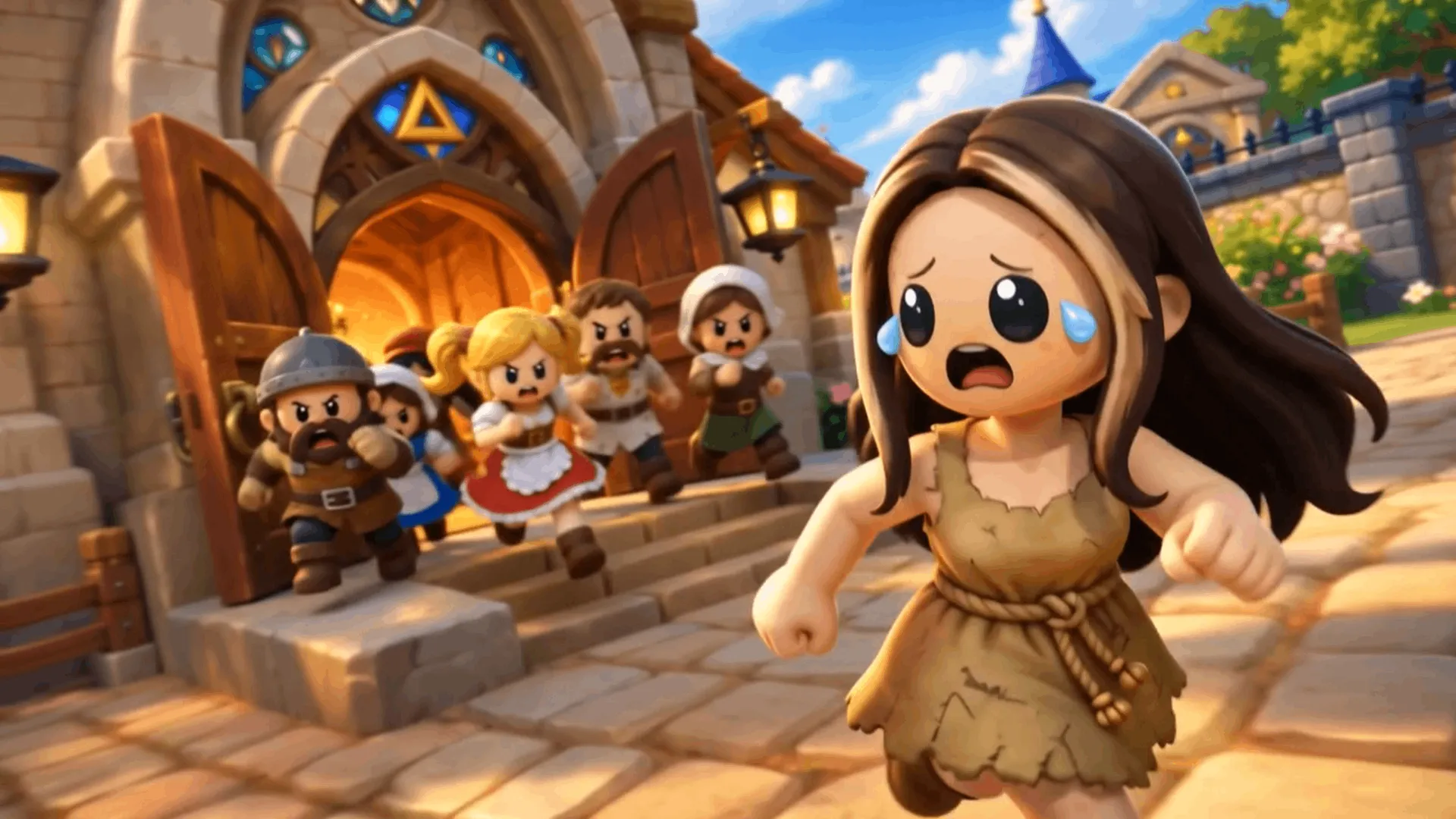
Not Monsters
Actuator Games
Not Monsters is a medieval social-deduction party game where villagers work together to survive while hidden monsters blend into the town.

 Game-Dev
On Point
Actuator Games
On Point is an arcade-inspired VR shooter built around fast-paced target-shooting minigames, with accessible controls and game modes for players of different skill levels.
 Game-Dev
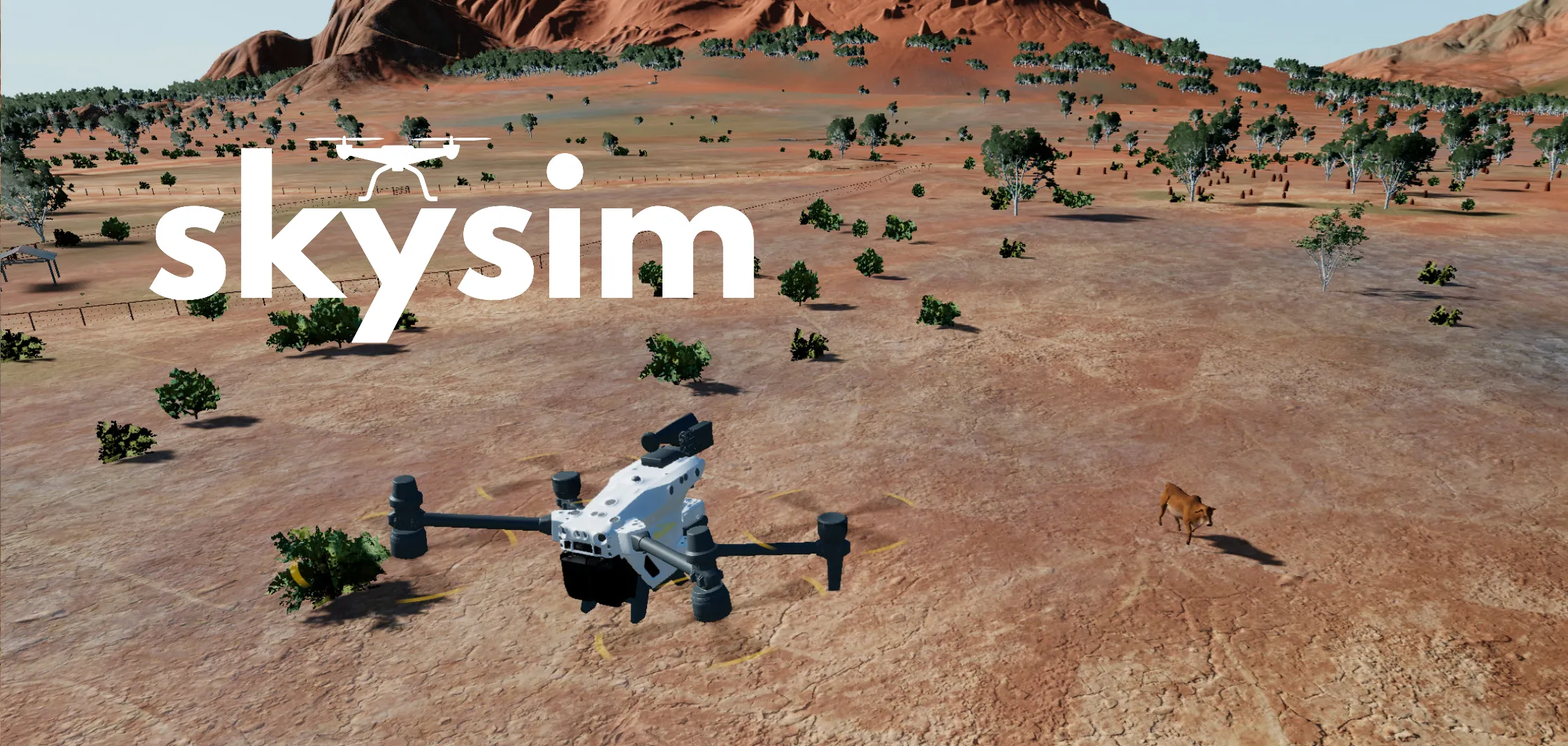
SkySim
Sky Kelpie
SkySim is a single-player drone-training simulation that teaches drone piloting and cattle mustering in a safe virtual environment.
Bring the whole game journey into focus
Actuator supports the connected work from concept and design through gameplay, production, systems, visuals, audio, testing, and release. We help turn the idea into a coherent game and keep technical decisions aligned with the player experience.
Game Design
- Concept development and refinement
- Game mechanics design
- Level and world design
- Player experience optimization
Development
- Full game engine implementation
- Cross-platform development
- Performance optimization
- Quality assurance and testing
Production
- Project management
- Resource allocation
- Milestone planning
- Release management
Gameplay
- Core mechanics implementation
- Player controls and input
- AI and NPC behavior
- Game balance and tuning
Visuals
- 3D modeling and animation
- Visual effects and shaders
- UI/UX design and implementation
- Art pipeline optimization
Audio
- Sound design and implementation
- Music composition and integration
- Audio engine optimization
- Dynamic audio systems
Systems
- Networking and multiplayer
- Save and load systems
- Analytics and telemetry
- Platform integration
Quality & Release
- Quality assurance and testing
- Performance and stability checks
- Platform readiness
- Release management
Game Design
- Concept development and refinement
- Game mechanics design
- Level and world design
- Player experience optimization
Development
- Full game engine implementation
- Cross-platform development
- Performance optimization
- Quality assurance and testing
Production
- Project management
- Resource allocation
- Milestone planning
- Release management
Gameplay

- Core mechanics implementation
- Player controls and input
- AI and NPC behavior
- Game balance and tuning
Visuals

- 3D modeling and animation
- Visual effects and shaders
- UI/UX design and implementation
- Art pipeline optimization
Audio

- Sound design and implementation
- Music composition and integration
- Audio engine optimization
- Dynamic audio systems
Systems
- Networking and multiplayer
- Save and load systems
- Analytics and telemetry
- Platform integration
Quality & Release

- Quality assurance and testing
- Performance and stability checks
- Platform readiness
- Release management
Questions about full game development
Can you help with a game that is still only an idea?
Yes. We can begin with concept refinement, game mechanics, player experience, technical feasibility, and a plan for proving the idea through prototypes or early milestones.
Do you support existing game projects?
Yes. We can join an existing project to add development capacity, improve performance, strengthen systems, address technical debt, or help prepare for release.
Which parts of game development can you cover?
The service can cover design, engine development, gameplay, production, visuals, audio, networking and multiplayer, saves, analytics, platforms, testing, and release management.
How do you keep a large game project manageable?
We use clear goals, playable milestones, visible priorities, technical planning, and regular decisions about scope and risk so the team always knows what to prove or deliver next.
Next step
Ready to turn your game concept into a playable experience?
Tell us what you want players to experience and where the project is now. We will help you identify the next practical stage.
Email our team